Mogerin Typeface Review: Elevating Editorial Design
The cursor blinks on a blank canvas, and the clock is ticking. You are redesigning the header for a high-end lifestyle newsletter, and every pixel feels heavy with expectation. The goal isn’t just to fill space; it is to establish an immediate sense of authority and elegance before the reader even processes the headline. In moments like these, the choice of typography stops being a technical decision and becomes a narrative one. This is where Mogerin steps in—not merely as a tool, but as a masterclass in contemporary editorial design that understands the delicate balance between visual impact and intellectual clarity.
Mogerin Serif Font for Digital Magazine Headers and Cover Text
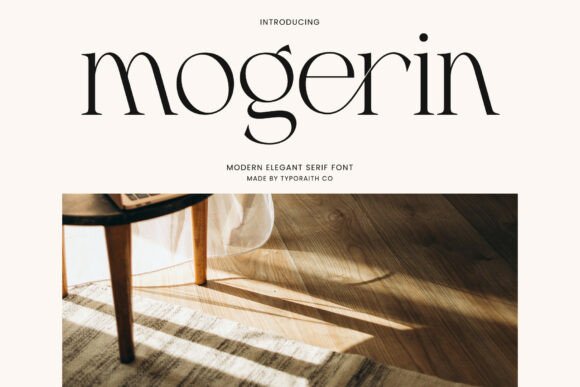
When evaluating Mogerin, the first thing that strikes you is its commanding presence as a display serif font. Unlike standard typefaces that recede into the background, Mogerin demands attention through its high-contrast strokes—a hallmark of modern typography that mimics the pressure-sensitive variation of a broad-nib pen. In my recent project involving a digital magazine layout, I needed a font that could anchor the cover text without feeling archaic or overly decorative. Mogerin provided exactly that sharp, sophisticated edge.
The font’s ability to handle large-scale text is exceptional. Whether you are setting a main headline for a blog post or titling a chapter opener in a premium ebook, the high contrast creates a dynamic rhythm that guides the eye. It works beautifully for publication identity, lending a sense of established credibility to independent content brands. The letters do not just sit on the page; they interact with the white space, creating a breathing room that feels luxurious. For designers working on print materials like wedding guides or limited-edition coffee table books, this level of detail ensures that the typography remains legible and striking even when scaled down for smaller formats.
Mogerin Ligatures and Fluid Typography in Newsletter Graphics
What truly distinguishes Mogerin from other modern fonts is its unique approach to ligatures. Most serif fonts offer basic typographic corrections, but Mogerin introduces avant-garde connections that feel organic rather than forced. The most notable feature is the fluid connection between the 'e' and 'r'. In a standard sans serif font, these characters often feel disconnected, but here, they flow into one another with a graceful, almost calligraphic motion. This subtle detail adds a layer of personality that elevates simple text into a design element.
I tested this feature extensively while creating social media graphics for a coaching workbook. By utilizing these special ligatures, the text gained a handcrafted feel that resonated deeply with the audience. It bridges the gap between rigid digital formatting and the warmth of traditional printing. When used in newsletter headers or pull quotes, these ligatures act as visual anchors, drawing the reader’s eye to key messages. They transform ordinary words into distinctive brand assets, reinforcing a creative font aesthetic that stands out in crowded inboxes. This attention to detail is crucial for editorial designers who want their work to feel bespoke and carefully curated.
Mogerin for Editorial Layouts and Content Branding Identity
Building a consistent brand identity requires more than just a logo; it requires a typographic system that can adapt across various mediums. Mogerin excels in this role, serving as a versatile component for comprehensive editorial design projects. Its modern serif structure pairs well with clean sans serif fonts for body copy, creating a harmonious hierarchy that supports readability without sacrificing style. This pairing strategy is essential for long-form content, such as course PDFs or extensive articles, where reader fatigue is a real concern.
In practice, I have found Mogerin to be particularly effective for section headings, subtitles, and decorative accents. It provides enough visual weight to break up dense paragraphs and guide the reader through complex information. However, it is important to recognize its limitations. While Mogerin is stunning for titles and short bursts of text, it may not be suitable for extended body copy. The high contrast and expressive nature of the glyphs can become tiring to read over long periods. Therefore, the best approach is to use Mogerin strategically—letting it shine in headlines, pull quotes, and introductory sections while relying on a neutral, highly readable serif or sans serif font for the main text. This balanced approach ensures that your publication maintains both aesthetic appeal and functional usability.
Practical Considerations for Using Mogerin in Commercial Projects
Before integrating Mogerin into your next design asset, it is vital to consider the practical aspects of font licensing and file compatibility. As a commercial font, Mogerin comes with specific usage rights that must be respected, especially when designing for clients, selling templates, or distributing paid newsletters. Always verify the included styles, alternates, and multilingual support to ensure the font meets the needs of your target audience. Checking the file formats is also crucial; having access to OTF, TTF, and web-ready WOFF files ensures seamless implementation across different platforms, from desktop publishing software to web design environments.
Furthermore, thoughtful font pairing is key to maximizing Mogerin’s potential. Pairing it with a lightweight sans serif font for captions and navigation creates a modern, airy look that complements the boldness of the serif. Conversely, combining it with a classic humanist serif for body text can evoke a sense of timeless elegance, perfect for recipe ebooks or heritage-style branding. By understanding these nuances, designers can leverage Mogerin not just as a pretty face, but as a strategic tool for enhancing content structure and audience engagement. Ultimately, choosing the right typeface is an investment in the perceived value of your work, and Mogerin delivers a refined, professional finish that speaks volumes about the quality of your editorial vision.