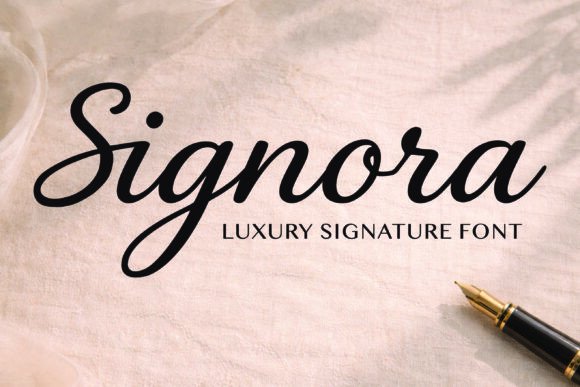
Signora Script Font: Elevating Editorial Design with Grace
The cursor blinked on the blank canvas, a silent challenge that every editorial designer knows too well. I was redesigning the header for a high-end lifestyle newsletter, aiming to bridge the gap between modern minimalism and timeless elegance. The previous layout felt sterile, lacking the warmth needed to connect with readers who valued sophistication in their daily reading habits. That is when I decided to test Signora, a graceful and elegant signature script font designed to bring a sense of luxury, beauty, and sophistication to your designs. It wasn’t just about picking a pretty typeface; it was about finding a voice that could whisper authority and charm simultaneously.
In the world of digital publishing, the choice of typography sets the emotional tone before a single word is read. When you are curating content for discerning audiences—whether they are browsing a wedding guide or downloading a premium coaching workbook—the visual language must be impeccable. Signora emerged as the perfect candidate, offering smooth flowing strokes and stylish curves that immediately elevated the perceived value of the layout. This article explores how integrating this specific script font into real-world editorial projects can transform mundane text into an engaging visual experience.
Why Signora Enhances Luxury Brand Identity in Digital Publishing
When creators seek premium font assets, they often struggle to find a balance between legibility and artistic flair. Signora solves this dilemma by acting as a versatile display font that retains its character even at smaller sizes. Its design philosophy centers on fluidity, mimicking the natural rhythm of hand-lettering without sacrificing the precision required for professional publication. For bloggers and publishers, using such a distinctive typeface signals attention to detail, suggesting that the content within is equally curated and high-quality.
The visual appeal of Signora lies in its ability to command attention without shouting. Unlike aggressive sans-serif headers or overly ornate vintage scripts, Signora offers a refined middle ground. It works exceptionally well for brand identity elements where you want to convey trust and exclusivity. By incorporating this font into logo design concepts or social media graphics, independent content brands can establish a consistent aesthetic that feels both modern and classic. The smooth transitions between letters create a hypnotic flow, drawing the eye across the headline and inviting the reader to delve deeper into the article.
Signora for Wedding Invitations and Elegant Event Graphics
One of the most lucrative applications for this type of elegant script is in the event industry, particularly for weddings and formal gatherings. Couples and planners are constantly searching for fonts that evoke romance and grace. Signora’s signature style makes it an ideal choice for creating custom invitation suites, save-the-date cards, and digital RSVP pages. The cap height and baseline alignment are carefully crafted to ensure that names and dates stand out with dignity.
Beyond paper goods, Signora shines in digital formats as well. Consider a couple launching a wedding website or a planner designing a downloadable timeline PDF. Using Signora for section headings like "Our Story" or "Schedule" adds a layer of personalization that generic fonts cannot match. The stylish curves soften the overall composition, making the information feel welcoming rather than rigid. For designers working on client publications, offering Signora as part of the package demonstrates an understanding of the emotional weight these events carry. It transforms standard text into a keepsake, ensuring that the typography remains memorable long after the event has passed.
Using Signora to Create Cohesive Recipe Ebook Covers
Food blogging and recipe sharing have evolved into highly competitive visual markets. A recipe ebook cover needs to do more than just list ingredients; it must promise an experience. When I tested Signora on a mock-up for a gourmet dessert collection, the results were striking. The font’s luxurious feel complemented high-resolution food photography, adding a touch of sophistication that appealed to home chefs looking to elevate their skills.
In this context, Signora serves as a powerful tool for hierarchy. While body copy should remain readable (often handled by a clean serif font), the title benefits from the decorative nature of a script. The smooth flowing strokes of Signora allow the main title to breathe, giving the eye a place to rest amidst the colorful imagery. Furthermore, because it is a commercial font with robust licensing options, creators can confidently use it in products they sell on platforms like Etsy or Shopify without worrying about legal ambiguities. This security is crucial for digital product creators who rely on their intellectual property as their primary income stream.
Enhancing Newsletter Headers with Modern Typography
Email marketing remains one of the highest ROI channels for publishers, yet many newsletters suffer from poor typographic choices that make them look outdated. Replacing standard web-safe fonts with a carefully selected script like Signora can drastically improve open rates and engagement. Imagine receiving an email from a favorite author where the subject line or pre-header uses a font that feels personal and handwritten. It creates an immediate connection, breaking through the clutter of the inbox.
However, practical considerations must be kept in mind. While Signora is beautiful, it is best used sparingly for headers and pull quotes rather than long-form body text. Screen readability varies across devices, so testing the font at various sizes is essential. In my workflow, I pair Signora with a highly legible sans serif font for the body copy. This contrast ensures that while the header captures attention with its elegance, the content remains easy to scan on mobile devices. This combination of a creative font for display and a functional font for reading is a cornerstone of effective modern typography.
Best Practices for Pairing Signora with Body Copy Fonts
Selecting a companion font is just as important as choosing the headline typeface. Since Signora is a Script Handwritten style, it naturally pairs well with structured, neutral typefaces. For editorial design, a classic serif font is often the best partner, providing a traditional backdrop that allows the script to pop. Alternatively, a geometric sans serif font can give the design a contemporary, chic vibe suitable for fashion or tech-lifestyle blogs.
When building layouts for printable guides or worksheets, consistency is key. Use Signora for chapter titles, page numbers, and decorative dividers. Reserve the body copy font for instructional text to maintain clarity. Designers should also check the included styles, alternates, and ligatures that come with the font file. These subtle variations can add unique touches to specific words, enhancing the overall aesthetic without requiring additional design effort. Ensuring multilingual support is also vital if your audience spans different regions, guaranteeing that special characters render correctly.
Maximizing Value in Printable Planners and Workbooks
The market for digital printables is booming, with users seeking organization tools that are as aesthetically pleasing as they are functional. Signora fits perfectly into this niche. For coaches and course creators, using this font in workbook covers and module headers adds a premium feel that justifies higher price points. The sophisticated aesthetic suggests that the content inside is expertly crafted.
Moreover, the versatility of Signora extends to packaging design for physical products. If you sell journals or stationery, using the font on labels and tags reinforces brand recognition. The key is to apply it with restraint. Let the font speak for itself by giving it ample white space. Overcrowding a beautiful script font diminishes its impact. By treating Signora as a focal point, you guide the viewer’s eye exactly where you want it, whether that is toward a call-to-action button or a featured product image. This strategic use of typography not only improves visual hierarchy but also enhances user experience, leading to higher satisfaction and repeat customers.
Final Implementation Tips for Independent Creators
As you integrate Signora into your projects, remember to respect commercial font licensing agreements. Always verify the terms of use regarding digital downloads, client work, and print runs. Investing in a legitimate license supports the type foundries and ensures you have access to updates and proper support. Additionally, consider the technical aspects of file delivery. Provide your clients or customers with clear instructions on how to install the font and which files to use for optimal quality.
Ultimately, the goal of typography is communication. Signora excels at communicating elegance and care. Whether you are designing a simple blog post or a complex multi-page magazine, letting this font guide your visual decisions can result in a more polished and professional outcome. By focusing on the reader’s experience and choosing typefaces that enhance rather than distract, you create content that resonates. In a digital landscape saturated with noise, choosing Signora is a quiet statement of quality—a decision that speaks volumes about your commitment to excellence.